
Jejunostomy Tube Management (J-Tube)

Jejunostomy Tube Management | Clinical Expertise | Park Shore Pharmacon

Florida Jejunostomy Tube Management Support

Care teams across Florida and surrounding South Florida communities support residents who depend on jejunostomy tubes for nutrition, hydration, and medication administration as part of structured Jejunostomy Tube management (J-Tube). These individuals require a consistent clinical structure to manage digestion, absorption, and daily tolerance to enteral feeding. Park Shore Pharmacon guides caregivers with clear feeding schedules, accurate medication administration processes, and reliable communication with licensed clinicians to support safety in group homes, assisted living communities, skilled nursing environments, and behavioral health programs. Our professionals understand how jejunostomy tube placement affects digestion, energy levels, medication timing, and daily participation, so caregivers in Hallandale Beach, Hollywood, Fort Lauderdale, Aventura, Pembroke Pines, and surrounding Broward and Miami-Dade communities receive guidance that reflects real facility demands.

Facilities throughout South Florida rely on dependable clinical oversight because enteral feeding needs can change quickly based on tolerance, hydration status, or medical condition. Park Shore Pharmacon teaches care teams how proper documentation, consistent monitoring, and timely reporting help clinicians evaluate feeding effectiveness and adjust care plans when needed. We encourage caregivers to record feeding rates, flushing schedules, medication responses, signs of discomfort, nausea, bloating, diarrhea, or tube site concerns so clinicians receive accurate information during evaluations. These records help facilities maintain safe and predictable routines that protect residents and give caregivers the structure they need. Each resident responds differently to enteral nutrition, and disruptions in routine can increase risk. Park Shore Pharmacon shows caregivers how to maintain steady schedules, clean handling techniques, and calm care environments that follow clinical direction. These systems help residents maintain nutritional stability, reduce complications, and participate safely in daily activities with confidence.

Identifying Concerns and Managing Daily Care Impacts

Caregivers often recognize early signs related to complications associated with Jejunostomy Tube management (J-Tube) because residents may show changes in tolerance, energy, comfort, or bowel patterns. Park Shore Pharmacon trains teams to monitor and document symptoms such as abdominal discomfort, leakage at the tube site, redness, clogging, changes in stool output, dehydration signs, or feeding intolerance so clinicians receive complete and accurate details during evaluations. These observations allow clinicians to assess feeding plans and make informed adjustments when needed.

Facilities across South Florida support residents with varying medical histories, surgical backgrounds, and nutritional requirements that influence enteral care routines. According to the National Institute of Diabetes and Digestive and Kidney Diseases, enteral feeding impacts digestion, nutrient absorption, and hydration balance. Park Shore Pharmacon supports caregivers in adult day training centers, group homes, and ICF programs throughout Broward and Miami-Dade counties by teaching calm, methodical feeding practices and predictable routines that promote comfort and reduce risk. Caregiver confidence improves when teams follow clear flushing protocols, medication preparation steps, and infection prevention practices. Park Shore Pharmacon trains caregivers to pause feeds appropriately, communicate concerns promptly, and document care activities with clarity. These structured habits help residents remain stable and provide clinicians with reliable information to guide safe and effective clinical decisions during ongoing care evaluations.

Clinical Evaluation and Enteral Feeding Oversight for Florida Care Facilities

Licensed clinicians direct all nutrition and medication decisions for residents who rely on jejunostomy tubes, and caregivers need clear systems that support accurate clinical evaluation within Jejunostomy Tube management (J-Tube). Park Shore Pharmacon trains care teams across Florida on how to document feeding tolerance, medication delivery responses, hydration status, and daily physical changes using practical formats that align with real facility routines. We explain how these observations help clinicians assess feeding effectiveness before adjusting rates, formulas, flushing schedules, or medication timing to support resident safety.

Facilities throughout Florida often support residents with additional medical complexities that affect enteral feeding tolerance. According to the Centers for Disease Control and Prevention, gastrointestinal function, neurological conditions, and chronic illness frequently influence nutritional absorption and hydration balance. Park Shore Pharmacon applies clinical guidance programs to help caregivers understand how surgical history, seizure activity, reduced mobility, or cognitive impairment affect jejunostomy tube care. These insights help caregivers follow consistent routines and communicate clearly with clinicians. Strong documentation systems allow clinicians to review accurate information during evaluations. Park Shore Pharmacon teaches caregivers to follow feeding schedules precisely, report concerns promptly, and maintain organized records that reflect real daily responses. These steps help facilities create predictable care environments that support informed clinical decisions and promote nutritional stability for residents.

Feeding Schedules and Adjustment Support for Jejunostomy Tube Care

Residents in long-term care settings often require highly structured feeding routines when supported through Jejunostomy Tube management (J-Tube), and each facility needs clear guidance to maintain these routines safely. Park Shore Pharmacon teaches caregivers how to organize feeding schedules, flush timing, medication administration, and documentation logs using formats that fit daily workflows in Hallandale Beach, Hollywood, Fort Lauderdale, Aventura, and surrounding Broward and Miami-Dade communities. These systems help caregivers follow clinician direction and prepare accurately for care plan adjustments.

Feeding and medication changes depend on reliable daily observations, and caregivers must share updates with clinicians accurately. Park Shore Pharmacon supports facilities by coordinating adjustment updates and helping teams monitor tolerance indicators such as abdominal discomfort, nausea, bowel pattern changes, hydration status, and site condition. We guide caregivers on how to present clear information that helps clinicians determine when feeding rates need modification or when additional evaluation benefits the resident. Facilities across South Florida benefit from predictable workflows that protect resident safety. Park Shore Pharmacon supports care teams as they follow feeding schedules, track supply usage, and maintain communication records. These habits provide clinicians with dependable data and help residents remain stable through carefully managed enteral nutrition routines.

Daily Care Strategies That Support Stability With Jejunostomy Tubes

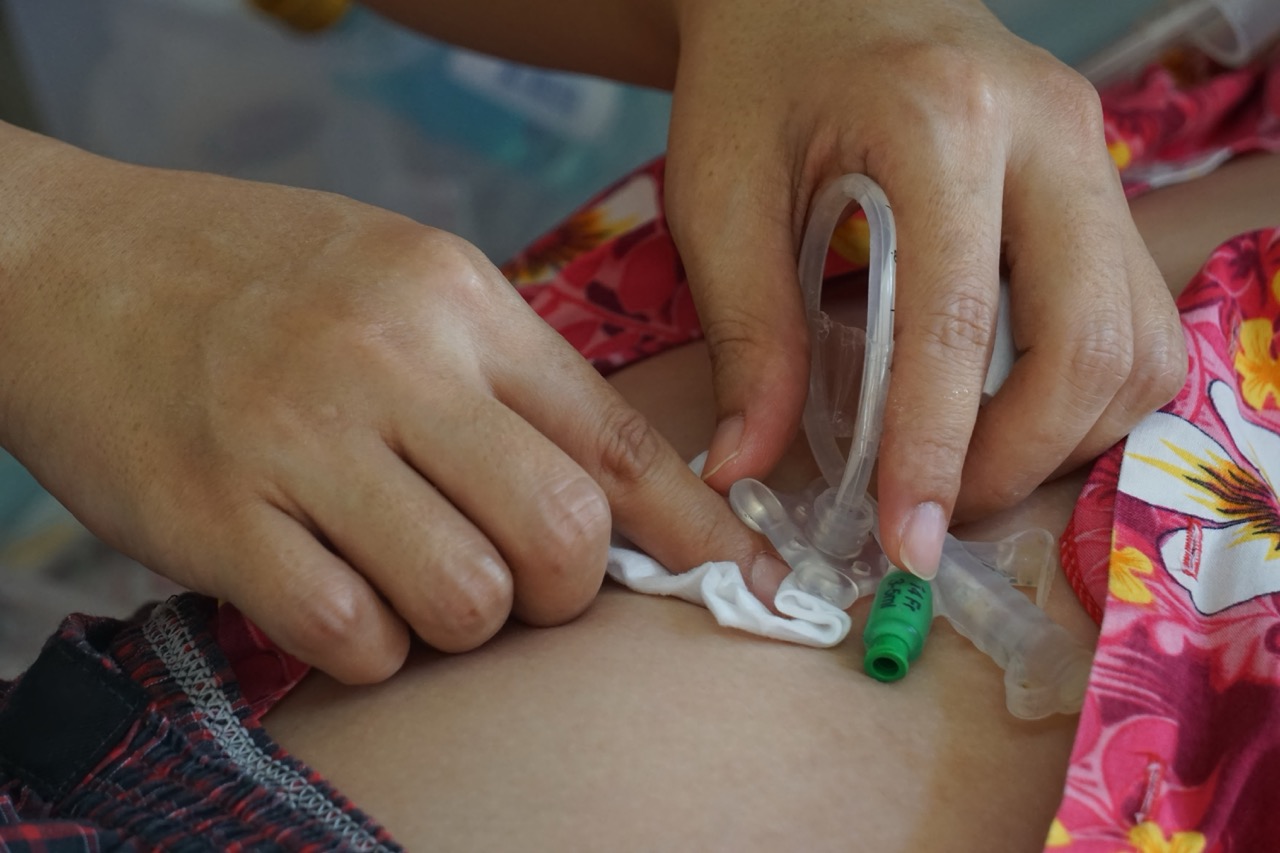
Caregivers strengthen daily care routines for residents when Jejunostomy Tube management (J-Tube) follows structured practices that reduce complications and promote comfort. Park Shore Pharmacon trains teams to recognize tolerance patterns, maintain clean handling techniques, follow consistent schedules, and document meaningful details for clinicians. These steps help caregivers respond confidently during care activities. The strategies below explain how structured observation, calm handling, and predictable routines support resident safety and clinical decision-making throughout the day.
Recognizing Early Signs of Feeding Intolerance

Caregivers improve outcomes when they learn to identify early signs that indicate feeding intolerance or complications related to Jejunostomy Tube management (J-Tube). Teams observe patterns related to abdominal discomfort, leakage, skin irritation, bloating, diarrhea, constipation, or reduced energy. Caregivers record these findings clearly so clinicians understand the full context during evaluations. This structure helps staff adjust care activities safely, prevent escalation of complications, and support residents with predictable routines that protect nutritional stability.

Using Careful Handling and Controlled Feeding Techniques

Caregivers support residents effectively when they follow calm, methodical feeding and medication administration techniques as part of Jejunostomy Tube management (J-Tube). Teams control feeding rates, flush tubes properly, and verify positioning before and after care tasks. Caregivers also use step-by-step handling practices that reduce the risk of clogging, irritation, or discomfort. These methods support resident comfort and provide clinicians with reliable information during follow-up evaluations. Consistent technique helps residents tolerate daily care more comfortably.

Maintaining Consistent Routines to Support Nutritional Stability

Residents benefit from consistent feeding and care schedules that follow predictable patterns throughout the day when Jejunostomy Tube management (J-Tube) remains structured. Care teams organize feeding times, medication administration, flushing intervals, rest periods, and activity participation to reduce stress and physical discomfort. Caregivers communicate upcoming care steps clearly and prepare residents for transitions. This routine-based structure supports tolerance, reduces risk, and gives clinicians dependable insight into how consistency affects nutritional outcomes and overall clinical progress.

Emergency Response and Preparedness for Jejunostomy Tube Care

Care facilities must remain prepared for urgent situations when residents who rely on enteral feeding experience complications associated with Jejunostomy Tube management (J-Tube). Park Shore Pharmacon teaches caregivers how to respond with calm, methodical actions that protect resident safety and maintain clinical compliance. We guide teams on how to pause feeds safely, assess tube placement concerns, manage positioning, and communicate immediate updates to licensed clinicians.

Emergencies require consistent training because enteral complications can escalate quickly. Park Shore Pharmacon supports care teams across South Florida, including Hallandale Beach, Hollywood, Fort Lauderdale, and surrounding Broward and Miami-Dade communities, with structured emergency preparedness planning. These plans include communication protocols, early warning signs, response steps, and safety procedures that follow clinician direction. Accurate documentation remains essential after any urgent event. Park Shore Pharmacon trains caregivers to record details such as feeding schedules, symptoms observed, tube site condition, response steps taken, and resident tolerance. Clinicians review this information to determine whether care plan adjustments support long-term safety. Facilities strengthen emergency readiness when these procedures are practiced consistently.

Jejunostomy Tube Management | Clinical Expertise | Park Shore Pharmacon

Daily Participation and Routine Development for Residents With Jejunostomy Tubes

Residents who rely on enteral nutrition benefit from daily routines that support participation, comfort, and nutritional stability within Jejunostomy Tube management (J-Tube). Park Shore Pharmacon teaches caregivers how to balance feeding schedules with daily activities, mobility, and rest periods so residents remain engaged without disrupting clinical needs. The sections below explain how structured routines, activity planning, and coordination support safe participation throughout the day.

  • Structured Activity Participation That Supports Comfort: Caregivers help residents participate in daily activities when schedules align with feeding and medication timing. Teams plan engagement around feed completion, rest intervals, and hydration needs. These structured routines allow residents to attend activities safely while caregivers observe tolerance and document responses for clinician review.
  • Skill Development and Daily Independence Support: Care teams strengthen independence by supporting residents with personal care routines, mobility tasks, and communication activities that respect feeding schedules and physical comfort. Caregivers use clear steps, predictable timing, and gentle pacing to reduce strain. These activities support daily functioning and provide clinicians with meaningful insight into how residents respond to routine-based care.
  • Coordination With Community-Based Programs: Care facilities improve resident support when they coordinate with adult day programs, rehabilitation services, and community resources that accommodate enteral feeding needs. Caregivers communicate feeding requirements and care considerations clearly so residents can participate safely. These coordinated efforts help residents maintain social connections while following clinician-approved routines.

Long-Term Care Planning and Clinical Collaboration for Jejunostomy Tube Management

Care teams support better outcomes for residents with jejunostomy tubes when long-term planning for Jejunostomy Tube management (J-Tube) remains organized and collaborative. Park Shore Pharmacon teaches facilities how to maintain feeding logs, monitor tolerance trends, and prepare clear documentation for clinician evaluations. These practices give clinicians reliable data to guide ongoing care decisions. Residents across South Florida benefit from predictable routines that reflect individual nutritional needs. Park Shore Pharmacon helps teams follow feeding schedules, identify tolerance changes, and adjust daily activities that may affect digestion or comfort. These steps support stability throughout each day.

Effective long-term management depends on teamwork. Park Shore Pharmacon collaborates with clinicians, caregivers, and facility leaders throughout Florida to ensure every team member understands each resident’s enteral care plan. This structure promotes safer environments, reduces complications, and supports steady clinical progress under licensed oversight.

Why Care Leaders Choose Park Shore Pharmacon for Jejunostomy Tube Support

Facilities that support residents who rely on enteral nutrition seek dependable partners who understand the demands of Jejunostomy Tube management (J-Tube), including complex nutrition delivery, medication timing, and daily workflow coordination. Park Shore Pharmacon brings focused clinical knowledge and trains caregivers to manage enteral routines with accuracy and consistency. Care leaders value a partner who communicates clearly, responds promptly, and supports local teams across South Florida.

Reliable oversight strengthens enteral care quality. Park Shore Pharmacon teaches caregivers how to follow feeding schedules, monitor tolerance, observe physical changes, and document each detail so clinicians receive complete and timely updates. These steps help LTC facilities maintain safe environments that support nutritional stability and daily participation. Local facilities in Hallandale Beach, Hollywood, Fort Lauderdale, Aventura, Pembroke Pines, and surrounding Broward and Miami-Dade communities choose our team because we understand regional care patterns, staffing structures, and operational realities. Park Shore Pharmacon focuses on accuracy, clinical communication, and safety so caregivers can build dependable routines that match real-world care settings.

Frequently Asked Questions (FAQs) About Jejunostomy Tube Care

  1. What is a jejunostomy tube?
    A jejunostomy tube delivers nutrition, hydration, and medications directly into the small intestine under clinician direction.
  2. Why do residents require jejunostomy tubes?
    Clinicians may recommend jejunostomy feeding when individuals cannot safely tolerate oral intake or gastric feeding.
  3. Who manages jejunostomy tube care decisions?
    Licensed clinicians evaluate each resident and direct all feeding plans, medication schedules, and care adjustments.
  4. Can residents maintain daily routines with a jejunostomy tube?
    Many residents participate in daily activities when caregivers follow structured schedules and clinician-guided routines.
  5. Does tolerance vary between residents?
    Yes, each resident responds differently to enteral nutrition, and clinicians adjust care plans based on individual tolerance.
  6. Are medications administered through the tube?
    Some medications may be given through the tube when clinicians evaluate safety, formulation, and timing carefully.
  7. How should caregivers respond to feeding intolerance?
    Caregivers should pause feeds as directed, monitor symptoms, document observations, and contact clinicians promptly.
  8. Can jejunostomy tube care involve other medical conditions?
    Yes, clinicians often manage enteral feeding alongside neurological, gastrointestinal, or chronic health conditions.
  9. What role do caregivers play in jejunostomy tube management?
    Caregivers monitor feeding tolerance, maintain hygiene, follow schedules, and communicate accurate updates to clinicians.
  10. How can facilities strengthen enteral care systems?
    Facilities improve care by using structured workflows, clear documentation, and consistent caregiver training under clinical oversight.

Strengthen Enteral Care Routines With Park Shore Pharmacon Today

Park Shore Pharmacon helps caregivers and clinicians across Florida build strong routines that support residents who rely on jejunostomy tubes. Our team teaches clear communication practices, enteral feeding coordination, and structured workflows that align with daily facility needs. We guide leaders across Broward and Miami-Dade counties with practical systems that improve accuracy and support nutritional stability. Contact Park Shore Pharmacon today to support residents with safe routines and a clinically informed care structure.

Park Shore Pharmacon
600 Ansin Boulevard
Hallandale Beach, FL 33009

Phone: 954.874.4646
Fax: 954.455.1378
Toll Free Fax: 1-855-464-7779
General Inquiries: customerservice@parkshoredrug.com
Billing: billing@parkshoredrug.com

Park Shore Pharmacon supports care teams that seek stronger routines, clearer clinical communication, and safer enteral feeding oversight for residents across Florida. Our professionals help caregivers stay organized, follow structured care steps, and deliver consistent support that improves daily stability. Contact Park Shore Pharmacon to strengthen safety and enhance care for every resident you serve.

Disclaimer: This information provides general educational support for caregivers and facility leaders involved in enteral nutrition care. Park Shore Pharmacon offers guidance under licensed clinical oversight, and all feeding plans, medication decisions, and care adjustments require evaluation by qualified healthcare professionals. This content does not replace medical advice, diagnosis, or treatment. Individual needs vary, and clinicians determine appropriate care based on resident-specific assessments.

Contact Our Pharmacy