


Bipolar Disorder: Comprehensive Guidance and Local Support for Care Teams
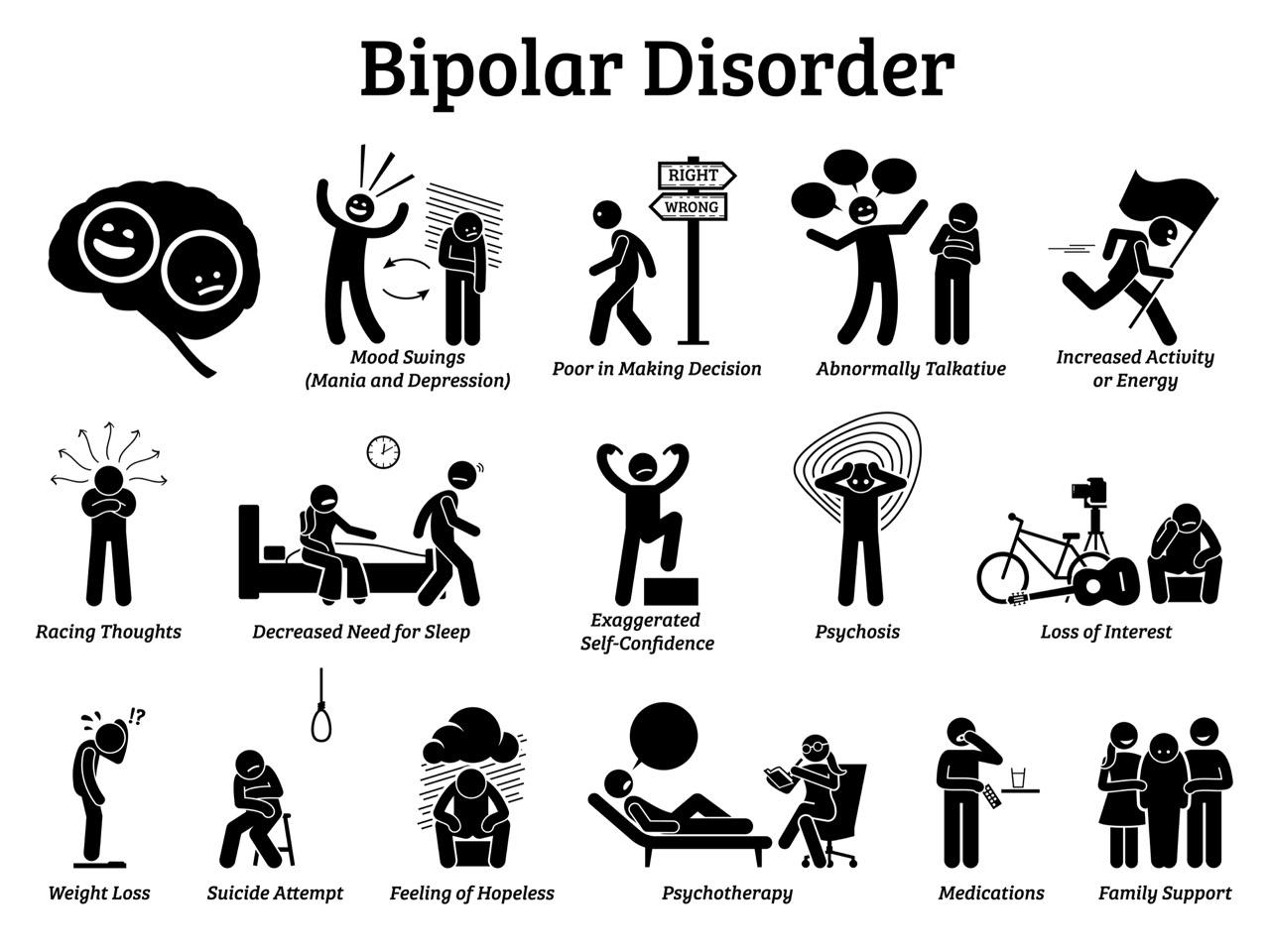
Licensed clinicians guide every therapy plan for Bipolar Disorder, and caregivers support that process with accurate notes and clear communication. Park Shore Pharmacon trains each team to observe sleep changes, behavior patterns, and medication responses so clinicians receive reliable information. Our team explains how daily routines, personal history, and mood shifts help clinicians evaluate each case before adjusting treatments that support resident stability.
Caregivers across Florida work with residents who face overlapping cognitive and behavioral challenges. According to the Substance Abuse and Mental Health Services Administration, behavioral health conditions often interact with neurological and developmental needs, and these interactions require thoughtful clinical oversight. Park Shore Pharmacon uses insights from our Clinical Expertise programs on autism, seizures, dementia, psychosis, and dose adjustments to help teams understand how these challenges connect to mood regulation. Facilities in Bartow, Auburndale, and nearby cities need strong medication routines that support daily safety. Park Shore Pharmacon teaches caregivers how to follow dosing schedules, document noticeable changes, and report concerns quickly so clinicians can guide treatment with accurate information. Our team strengthens these habits so each resident receives safe and clinically supervised support.
Medication Management and Dose Adjustments for Bipolar Disorder
Caregivers in long-term care settings support residents who live with Bipolar Disorder, and teams need clear systems that guide medication routines safely. Park Shore Pharmacon teaches caregivers how to manage dose timing, refill schedules, and observation logs with a consistent structure that matches daily facility workflows. Our team trains leaders to recognize early signs that suggest the need for clinical review. Below are key areas that help caregivers maintain structured routines, prepare for dose adjustments, strengthen communication, and support accurate documentation.
Understanding Dose Timing and Daily Structure
Caregivers maintain strong routines when they understand how dose timing influences resident stability throughout the day. Teams learn how to track morning, afternoon, and evening doses with simple systems that align with facility schedules. Caregivers organize charts, log behavioral changes, and share updates with clinicians before any adjustments occur. This structure supports clear evaluations and helps residents experience consistent routines that encourage emotional balance and safe participation in daily activities.
Recognizing Signs That Support Clinical Adjustments
Caregivers learn to notice early signs that help clinicians decide when dose adjustments may support better outcomes. Teams track sleep changes, energy shifts, appetite changes, and behavior patterns through structured daily notes. These documented observations guide clinicians who evaluate treatment progress and decide if therapy changes offer benefits. Accurate reporting helps facilities maintain safe routines and gives clinicians the information they need to support each resident’s overall health.
Coordinating Refill Schedules and Communication Logs
Caregivers strengthen daily workflows when they maintain organized refill calendars and communication logs that match facility routines. Teams learn to track refill dates, prepare requests early, and prevent interruptions in therapy. Leaders encourage staff to report delays or concerns immediately, so clinicians receive timely updates. Communication logs help caregivers follow consistent steps that support safe medication use and reduce confusion during shift changes or busy periods inside the facility.
Organizing Charts for Accurate Clinical Evaluation
Caregivers improve clinical coordination when they keep charts clear, consistent, and updated throughout the day. Teams maintain simple formats that highlight changes in mood, sleep, appetite, or daily participation. Organized charts allow clinicians to review complete information quickly during evaluations. Caregivers help strengthen medication safety by keeping information accessible and accurate so clinical teams understand each resident’s progress and create plans that match current needs.
Behavioral Health Strategies for Bipolar Disorder Care
Florida facilities often support residents who experience additional challenges related to developmental differences, behavioral changes, or cognitive decline. These needs appear in conditions such as autism spectrum disorder, psychosis, dementia, intellectual disabilities, and mood-related disorders. Park Shore Pharmacon teaches teams how these overlapping factors influence communication, behavior, and emotional stability so caregivers respond with clarity during each shift.
We guide caregivers in using low-stimulation environments, simple prompts, and predictable routines that reduce confusion and help residents stay calm. Park Shore Pharmacon also shows teams how to set consistent boundaries, prepare residents for transitions, and maintain supportive environments that match each person’s daily needs. Emotional safety remains a priority in every facility we serve. Park Shore Pharmacon trains caregivers to recognize early signs of distress, fatigue, or frustration so they respond quickly and confidently. We help teams practice calm redirection, monitor behavior changes, and communicate updates to licensed clinicians so care plans remain accurate, safe, and supportive.
Crisis Situations and Emergency Response for Bipolar Disorder
Facilities must prepare for sudden escalations when residents who live with Bipolar Disorder experience overwhelming stress. Park Shore Pharmacon teaches teams how to handle crises through calm communication, clear steps, and safe redirection. We explain how caregivers maintain distance, speak clearly, and remove additional stressors. These responses protect both residents and caregivers while clinicians receive timely updates for evaluation.
Emergency support always requires clinical oversight. Our team coordinates with licensed practitioners who review crisis details before approving emergency medication or interventions. Park Shore Pharmacon teaches caregivers to record behaviors, triggers, and responses accurately so clinicians understand the full situation. Local programs in Lakeland, Bartow, and Winter Haven rely on well-trained crisis teams to support residents safely. Park Shore Pharmacon provides guidance that helps facilities design crisis plans, communication trees, and safety protocols that match their staffing levels and community resources.
Community Integration and Daily Living Skills for Bipolar Disorder
Residents who live with Bipolar Disorder grow stronger when they receive structured support that encourages daily stability and community participation. Park Shore Pharmacon teaches caregivers how to guide safe outings, build independent living skills, and coordinate with clinicians for meaningful therapeutic routines. Below are key areas that help caregivers support community involvement, strengthen confidence, and promote daily structure inside Florida programs.
- Community Outings That Build Confidence: Caregivers guide residents through simple community activities that encourage positive social interaction, emotional balance, and daily structure. Teams plan outings that match each resident’s comfort level and coordinate with clinicians to keep routines safe. These activities help residents strengthen independence and practice essential life skills in familiar community settings.
- Skill Building and Vocational Development: Caregivers support residents by creating daily routines that include vocational tasks, personal care practice, and structured learning opportunities. Teams encourage residents to improve communication, follow predictable steps, and participate in activities that support long-term independence. These skill-building routines strengthen confidence and help residents engage positively with their environment.
- Partnerships With Local Community Programs: Caregivers strengthen support when they collaborate with community centers, behavioral health agencies, and vocational groups across Florida. These partnerships create safe access to structured programs that match therapeutic goals. Coordinated participation helps residents build meaningful relationships, reduce isolation, and practice skills that support long-term stability and community involvement.
Long-Term Care Planning and Provider Collaboration for Bipolar Disorder
Long-term support for Bipolar Disorder depends on strong collaboration between caregivers, clinicians, and facility leaders. Park Shore Pharmacon teaches teams how to maintain communication logs, update charts, and prepare accurate notes for evaluations. We help caregivers track sleep, appetite, and behavior changes so clinicians receive complete information.
Facilities across Florida need predictable systems that support daily care. Park Shore Pharmacon designs routines that help caregivers prepare for medication changes, behavioral shifts, and emotional cycles. We guide teams through effective communication strategies and encourage consistent practice across every shift. Park Shore Pharmacon works with facilities in Lakeland, Winter Haven, Haines City, and Bartow to ensure that each resident receives clinically supervised care. Our team helps staff members understand each resident’s unique needs, so clinicians evaluate treatment plans with accurate information. We support each facility as it builds a stable, safe, and structured environment.
Why Choose Park Shore Pharmacon
Families and care leaders in long-term care settings want reliable partners who understand complex medication needs, and many choose support that strengthens clinical coordination. Park Shore Pharmacon brings a structured approach that helps caregivers manage daily routines with accuracy and confidence. Our team studies the demands inside group homes, assisted living communities, and behavioral health programs so each facility receives guidance that matches its workflow. Stronger outcomes grow from clear communication and reliable clinical oversight, and care teams value partners who stay involved throughout the entire process. Park Shore Pharmacon supports this structure by teaching caregivers how to follow medication schedules, document changes, and communicate observations to clinicians. These habits help facilities maintain safe environments and support residents with steady routines that build trust and stability.
Facilities across Florida benefit from partners who understand local communities, available resources, and daily challenges. Park Shore Pharmacon guides leaders in Lakeland, Winter Haven, Bartow, Haines City, and Lake Wales with customized support that reflects real conditions. Our team focuses on accuracy, safety, and consistent training so caregivers deliver dependable care that matches clinical expectations and resident needs.
Frequently Asked Questions (FAQs) About Bipolar Disorder
- What is Bipolar Disorder?
It is a mental health condition involving periods of high energy and low mood that requires evaluation from a licensed clinician. - What causes Bipolar Disorder?
Multiple factors, such as genetics, environment, and brain chemistry, may influence the condition, and clinicians evaluate each case individually. - How do clinicians diagnose Bipolar Disorder?
Licensed professionals review mood history, behavior patterns, and symptom reports before creating a personalized care plan. - What treatments help manage symptoms?
Clinicians may use medication, therapy, lifestyle structure, and coordinated support from caregivers. - Do symptoms vary for each person?
Yes, each person experiences different patterns, and clinicians tailor care plans to individual needs. - Can residents live stable lives with Bipolar Disorder?
Many individuals maintain stable routines when they follow clinical guidance and receive structured support. - Can medication help stabilize mood?
Medications may help balance mood when clinicians manage them through regular evaluations. - How should caregivers support someone with mood shifts?
Caregivers should use calm communication, structured routines, and accurate documentation for clinicians. - What should caregivers do during a crisis?
Caregivers should follow facility safety steps and contact licensed clinicians to evaluate the situation. - Can Bipolar Disorder coexist with other conditions?
Yes, and clinicians evaluate each condition carefully to design a coordinated treatment approach.
Start Strong Care Improvements With Park Shore Pharmacon
Park Shore Pharmacon helps caregivers, clinicians, and facility leaders across Florida strengthen support for individuals who experience Bipolar Disorder. Our team builds structured routines, guides medication coordination, and teaches communication strategies that match local facility needs. We offer reliable systems that help teams remain organized and clinically prepared. Contact our professionals today to build safer routines, improve accuracy, and support residents with structured clinical guidance.
Park Shore Pharmacon
600 Ansin Boulevard
Hallandale Beach, FL 33009
Phone: 954.874.4646
Fax: 954.455.1378
Toll Free Fax: 1-855-464-7779
General Inquiries: customerservice@parkshoredrug.com
Billing: billing@parkshoredrug.com
Park Shore Pharmacon supports facilities that want stronger clinical coordination, clearer routines, and safer medication practices for residents in Florida. Our team guides caregivers with structured training, steady communication, and reliable clinical collaboration. Leaders who prioritize accuracy and resident stability choose Park Shore Pharmacon to strengthen care systems and improve daily support across every setting.